

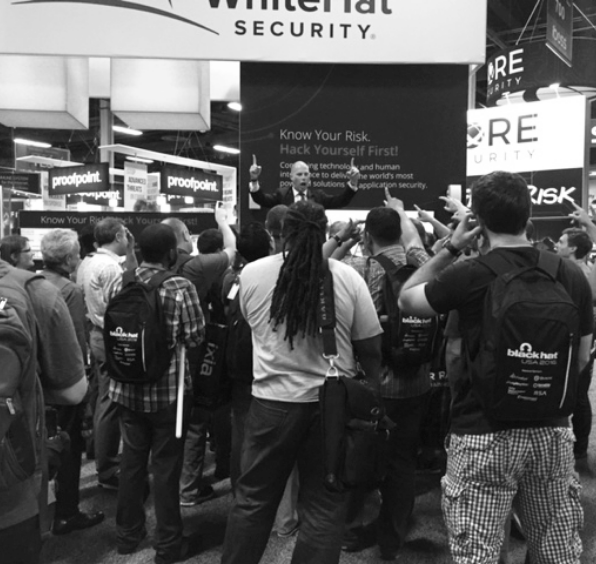

A busy booth can feel like a win.
People are stopping. Swag is moving. Staff are talking. Badges are being scanned. From the aisle, everything looks active.
But activity is not always progress.
The real question is not whether people stopped at your booth. The better question is: what happened after they stopped?
Did they move into a sales conversation? Did they ask a meaningful question? Did they watch a relevant demo? Did your team learn something useful about their needs? Or did they just grab a giveaway, exchange a few polite words, and disappear into the show floor?
That is the difference between noise and motion.
1. Noise Looks Productive at First
Noise is easy to mistake for success because it creates visible activity.
A giveaway can create a crowd. A game can create laughter. A big screen can create curiosity. None of those things are bad, but they are not enough on their own.
If your booth is attracting people who have no reason to stay, no reason to engage, and no reason to move into the next step, then the booth may be busy without being productive.
2. Motion Moves the Right People Forward
Motion happens when an attendee takes a meaningful next step.
They stop because the message connects with a problem they care about. They listen long enough to understand the value. They self-identify as someone worth speaking with. They move toward a demo, a product expert, or a follow-up conversation.
That is where booth strategy becomes more than traffic. It becomes a path.
3. Your Booth Needs a Clear Next Step
Many booths are designed to attract attention, but not enough are designed to guide attention.
Once someone stops, what are they supposed to do next?
Should they watch a demo? Talk to sales? Scan a code? Join a short presentation? Book a meeting? If the next step is unclear, attendees will often choose the easiest option: leave.
4. Where a Trade Show Presenter Fits
A strong trade show presenter does more than gather people around a booth.
They create structure. They deliver a consistent message. They give attendees a reason to pause, listen, and decide whether the solution is relevant to them. Most importantly, they help move the right people from passive interest into active conversation.
That is the real value.
Closing
Your booth does not need more noise. It needs more motion.
The goal is not just to look busy. The goal is to create the kind of activity that leads somewhere.
If you want your next show to produce more than surface-level traffic, book an insight session and let’s look at how to turn booth attention into better conversations.