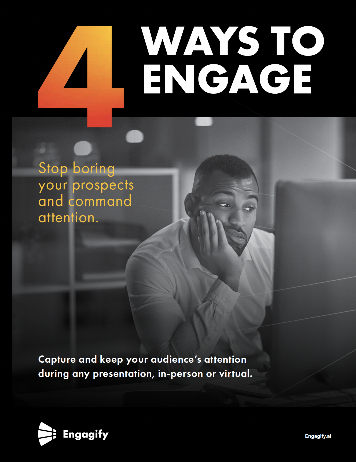




We’ve all seen it. The speaker who steps up to the mic and just starts talking. The sales rep who dives into a pitch before the prospect has even taken off their backpack. The leader who launches into strategy while the team is still mentally clearing inboxes.
There’s an unspoken assumption baked into all of those moments:
I have your attention.
But that assumption? It’s a trap.
We live in a world where attention is scarce and deeply protected. People are busy, distracted, skeptical—and rightfully so. So when someone starts speaking as if they’re already being listened to, they risk being tuned out before their message even has a chance.
Attention is earned, not owed. If you assume you’ve got it, you’ve already lost it.
Because it’s not just about public speaking or sales—it applies to everyday communication. Whether it’s a meeting, an email, or a quick hallway conversation, the first hurdle is always the same:
Earn attention.
But How?
Not by being louder. Not by speaking faster. And definitely not by flooding someone with information.
You earn attention by proving, quickly, that what you have to say is relevant to them. That this moment is worth their focus. And that you respect their time.
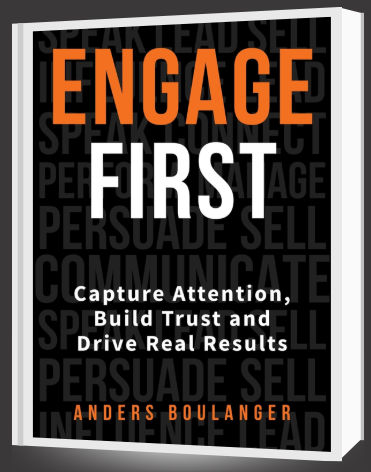
This idea of earning attention is what drove me to write my book Engage First – Capture Attention, Build Trust and Drive Real Results. (Which comes out Oct. 7th)
Here are a few simple questions to check yourself:
- Does my opening speak to their world—or just mine?
- Am I creating any curiosity?
- Could I say this in a more direct, human way?
The next time you speak, pause before launching into your message. Take a beat. And make sure your first words earn the right for the next ones to be heard.
Because in the end, people don’t owe you their attention.
You earn it—or you don’t get it at all.