


Booth space is the line item everyone budgets for. It is rarely the reason a trade show underperforms.
Exhibitors regularly spend most of their budget on square footage and booth build, then run out of room for the things that actually turn that space into pipeline. A bigger booth with an untrained team and no follow-up plan still produces a disappointing show.
1. Budget for staff training, not just staff travel
Flights and hotels are easy to forecast. Training your team to work the booth well is just as necessary and gets cut first when budgets tighten. Untrained staff waste the traffic your booth space paid for.
2. Set aside budget for engagement, not just décor
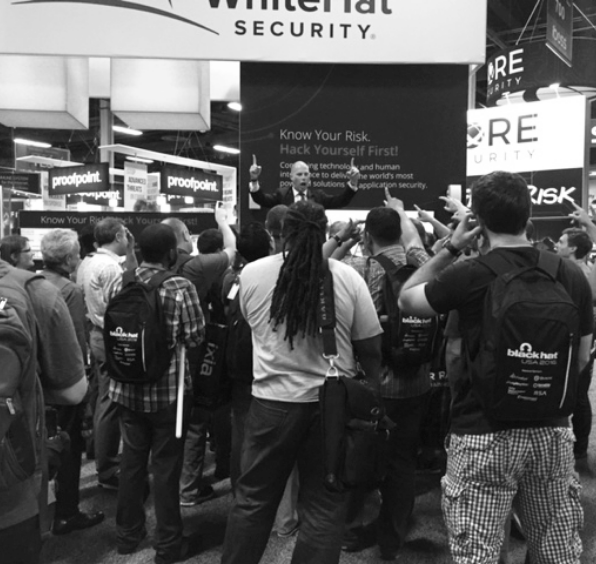
A well-designed booth still needs a reason for people to stop. Whether that is a presenter, an interactive element, or a structured demo, this line item is often what separates a busy booth from a productive one.
3. Plan follow-up costs before the show, not after
CRM tagging, sales enablement, and follow-up sequences take time and sometimes tooling. Building this into your pre-show budget means your team isn’t scrambling to follow up with no plan in place.
4. Leave room for measurement
Without budget for tracking dwell time, conversation quality, or pipeline attribution, you will not actually know what worked. That makes next year’s budget a guess instead of a decision.
A trade show budget built entirely around booth space optimizes for presence. A budget built around the full experience optimizes for pipeline.
Planning next year’s trade show budget? Book an Insight Session and we’ll help you allocate it toward what actually drives results.