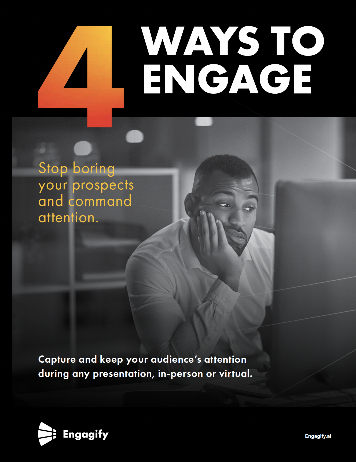




Everywhere you look, something is competing for attention. Phones buzz, screens glow, and notifications never stop. In this constant noise, it takes more than information to make people focus. Whether you are presenting on stage or engaging visitors at a trade show booth, capturing attention begins with intention. You must earn focus, not assume it.
- Start with a Strong Hook
People decide within seconds whether to pay attention. Begin with something unexpected: a bold statement, a question that challenges assumptions, or a visual that breaks the pattern. A powerful opening creates curiosity and gives people a reason to stop and listen. - Make It About Them
Attention follows relevance. When your message connects directly to the audience’s needs, interests, or frustrations, it stands out from the noise. Use language that reflects their world, not yours. Show them that what you are saying matters to them personally, and you will hold their focus longer. - Engage the Senses
In a distracted environment, multi-sensory experiences help anchor attention. Change your tone, vary your movement, use visuals, or invite participation. Every shift in energy or sensory input gives the brain a cue to stay alert and involved. - Build in Moments of Surprise
Predictability kills engagement. Introduce an unexpected element such as a story twist, a demonstration, or a question from the crowd, reawakens attention. The brain naturally reacts to novelty, and surprise keeps it active and interested.
In a sea of distraction, the best communicators are those who design for focus. They plan how to capture it, renew it, and reward it with value. Attention is not about being louder; it is about being more meaningful. When your audience feels that their time is well spent, distraction fades and engagement begins.
Capturing attention is not a single moment but a rhythm of connection, surprise, and relevance. Master that rhythm, and your message will stand out no matter how noisy the world becomes.