


Micro-Interactions, Massive Impact

TAGS: , , ,

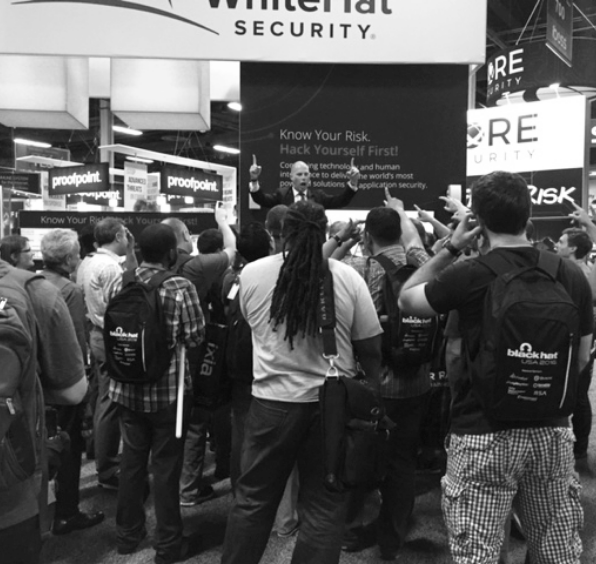
In any live event or trade show environment, the smallest moments often carry the greatest weight. A nod, a smile, a well-timed question, or even eye contact can completely shift the tone of an interaction. These micro-interactions might seem insignificant, but they are the building blocks of trust, connection, and ultimately, engagement.

Audiences remember how they felt more than what they heard. That is why every brief exchange matters. Micro-interactions are those short, human moments that make your audience feel seen and valued. They often happen in passing: greeting someone at the edge of your booth, acknowledging a person’s curiosity, or listening just long enough before speaking. Each small gesture tells your audience, “You matter,” and that feeling leaves a lasting impression.

1. They Build Trust Quickly

A single authentic exchange can do more than a long presentation. When people sense sincerity in your tone, body language, or facial expression, they relax and open up. In a crowded, high-pressure environment, that small dose of authenticity stands out.

2. They Create Emotional Connection

Micro-interactions work because they tap into emotion. People engage when they feel understood, even for a few seconds. Asking the right question, offering a genuine compliment, or responding with empathy can transform a surface-level conversation into something memorable.

3. They Drive Momentum

Every great conversation starts small. A quick hello can lead to a demo, a demo to a deeper discussion, and that discussion to a business opportunity. Small actions set larger outcomes in motion. By paying attention to these micro-moments, you create natural pathways for engagement.

The truth is, engagement does not always come from grand gestures or high-tech activations. It often begins with one genuine human moment that cuts through the noise. When you focus on the quality of each small interaction, you multiply the overall impact of your presence. Because in the end, it is not the number of people you meet that defines success, but how each person feels after meeting you.

    Related Learning

    How to Choose Which Trade Shows Are Worth Your Budget

    The biggest show in your industry is not automatically the right show for your company. Attendance numbers measure the event, not your fit with the room. Marketing teams often default to the shows with the…

    The First 48 Hours After a Trade Show: What to Do With Your Leads

    Most trade show leads do not go cold because they were bad leads. They go cold because nobody followed up while the conversation was still fresh. By the time your team is back in the…

    How Many Staff Does Your Trade Show Booth Actually Need?

    More booth staff feels like more coverage. In practice, it is often just more people standing around. Understaffing means qualified prospects walk away because your team is stuck in another conversation. Overstaffing creates a crowded…