


When people think about trade show performance, they usually focus on what happens inside the booth. Design, layout, giveaways, demos—it’s all part of the equation. But what most teams overlook is that the real first impression happens before anyone crosses into your space.
It happens in the aisle.
First Contact Happens Earlier Than You Think
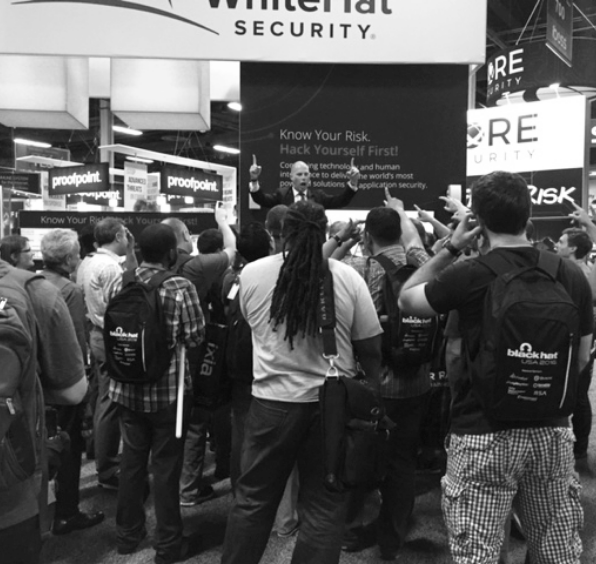
Every attendee is walking through a gauntlet of booths, trying to decide where to invest their limited time and energy. That decision usually starts from ten or twelve feet away. They’re scanning the space, glancing at your team, and making a call in seconds: Do I stop here, or keep moving?
The challenge is, most booth staff aren’t even aware this moment is happening. They’re chatting with each other, buried in their phones, or standing behind counters like they’re working retail. Without knowing it, they’re sending a message: We’re not ready for you.
The Aisle Is Part of Your Stage
Your team shouldn’t be hidden behind counters—they should be out at the edge, facing the flow of traffic, creating an approachable presence. That doesn’t mean being aggressive or salesy. It means being aware.
Simple body language changes make a big difference. Standing slightly angled instead of head-on reduces pressure. Making soft eye contact or offering a natural smile makes people feel safe to engage. Even just standing near the front—without blocking the way—says, We see you.
Engagement Begins Before the Handshake
If you want to create more meaningful conversations, you have to show up before the conversation even starts. That means being intentional about how your team holds space in the aisle.
When you treat the aisle as part of your engagement zone—not just a walkway—you gain a real edge. Because in those few feet, the decision to stop, chat, and connect is made.
And that decision can lead to everything that comes next.
→ Want to discover how to train your team to work the aisle with purpose? Book a discovery call with us here.