

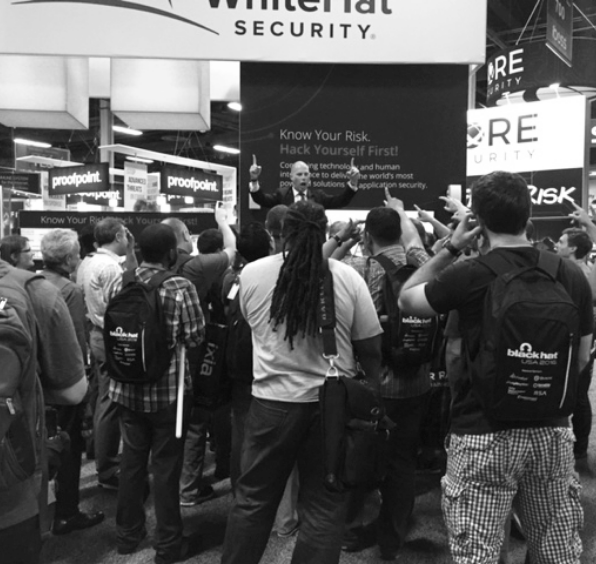

More booth staff feels like more coverage. In practice, it is often just more people standing around.
Understaffing means qualified prospects walk away because your team is stuck in another conversation. Overstaffing creates a crowded booth that feels like a huddle, not an invitation, and it makes attendees hesitant to approach. The right number depends on your booth size, your goals, and how your team is actually deployed, not a rule of thumb.
1. Start with booth square footage, not headcount
A general guideline is one staff member for roughly every 100 square feet of open booth space. Below that ratio, prospects wait. Above it, the booth feels overcrowded and staff start talking to each other instead of attendees.
2. Match headcount to your goal
A booth built to book meetings needs fewer, more senior staff who can qualify quickly. A booth built to generate broad awareness can support a larger team handling shorter interactions. Staff count should follow your objective, not the other way around.
3. Plan for rotation, not just totals
Trade show floors are physically and mentally exhausting. Staff who have been on their feet for six hours give worse first impressions than staff who just started. Build in shift breaks so your booth’s energy stays consistent through the last hour of the day.
4. Account for specialists separately
Presenters, technical experts, and executives should be planned as their own layer, not folded into general booth headcount. Their job is different, and counting them as general staff usually leads to being short-handed exactly when a strong prospect shows up.
A full booth is not the same as a well-staffed one. The right headcount gets more attention on the right conversations, not just more bodies on the floor.
Not sure what your next show actually needs? Book an Insight Session and we’ll help you plan staffing that matches your goals.